(formerly Tracker Trail)
Wilderness Survival, Wilderness Mind
HOME   Search   Sitemap   FORUMS    Wilderness Mind      TRACKING      SURVIVAL      BOOKSTORE

SURVIVAL   Shelter   Water   Fire   Food   Clothing   Health   Vision   Cordage   Containers   Tools   Stone   Flintknapping   Furniture

Lights   Fishing   Hunting   Traps   Snares   Hides   Pitch & Glue   Winter   Lyme Disease  Music   Tracker Knife   Navigation

Emergency Preparedness   Teaching   Young People   Practicing   Native People   Humour   FORUM   Misc   DISCLAIMER

     Booklist   Links   Email me   Guestbook   About This Site   Use of Material   Survival Clubs   Contributors

Tracker Trail    Wildflowers    Trees & Shrubs    Ferns    Insects    Earth Caretaker    James Bay    Labrador    Leatherwood Trail

Wilderness Survival

Edible Wild Plants

Jerusalem Artichoke
(Helianthus tuberosus)

  
Jerusalem Artichokes have small tubers on the roots that are delicious. It is a native plant, with a very misleading name. It is not at all related to artichokes, nor does it grow in Jerusalem.
  

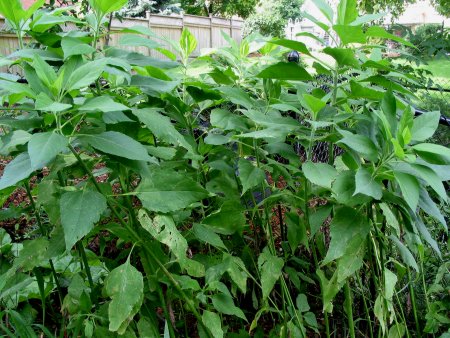
A stand of Jerusalem Artichokes. These are in my backyard.


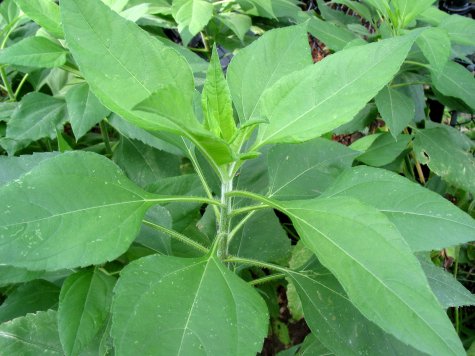
Closer view of the growing top of the plant.


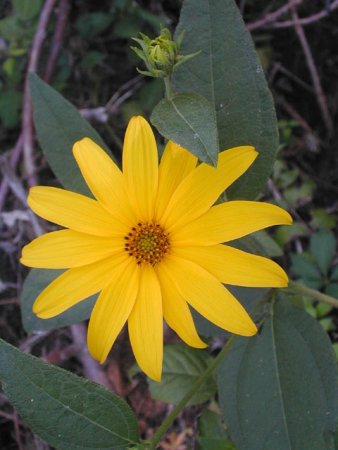
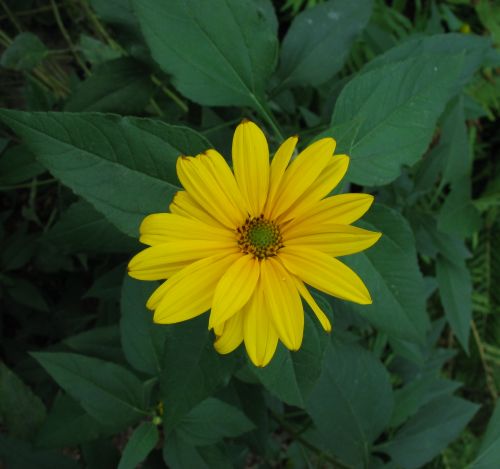
Unfortunately I don't have any of my own pictures of them flowering. None of the plants I have grown have ever flowered!

I "borrowed" this photo from the following page on the Internet, just until I can get my own photo of one:
http://www.lib.ksu.edu/wildflower/jerusalem.html
(My apologies to the photographer)

Please do not rely on photos of the flower to identify the plant. There are many plants with similar flowers! The only sure way to know this plant is by the tubers (see below).


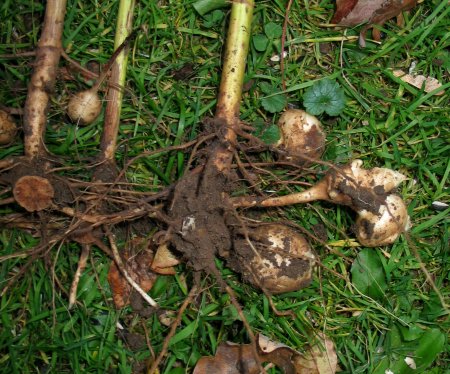
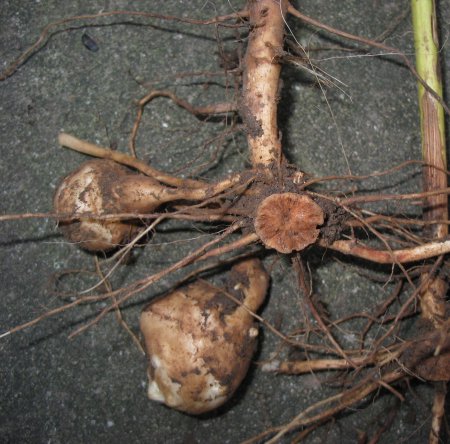
Here's a photo of the edible tubers, still attached to the plants.


Another photo of the tubers. 

Note the distinctive circular disc at the end of the stem. 


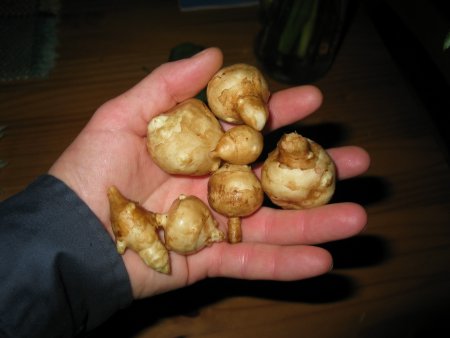
Here is a handful of the edible tubers, washed and ready for cooking or eating raw.

Cook them like potatoes, until they're soft. The skin can be eaten, or you can peel them. The insides are soft and mild tasting. Very good with salt and butter!

They can also be eaten raw.

These are actually small tubers. Normally they are much larger, and are much more lumpy.

You used to be able to find them in certain grocery stores. But with the current trend towards decreased variety in stores, they are very hard to find.

If you find any growing naturally, please harvest with care. They are no longer common.


Similar plants:
  
There are many similar plants. However, of all the similar ones, only Jerusalem Artichoke has tubers that look like this.

For example, this is **NOT** a Jerusalem Artichoke flower!


Survival    Food    Hunting    Fishing    Edible Plants    Fungi    Poisonous Plants    Containers

READ THE DISCLAIMER

The material on this page is copyright © by the original author/artist/photographer
This website is created, maintained & copyright © by Walter Muma
Please respect this copyright and ask permission before using or saving any of the content
of this page for any purpose

-- These websites may also interest you --

Ontario Wildflowers   Ontario Trees & Shrubs   Ontario Ferns   Ontario Grasses   Ontario Insects
Mumart   World of Mosses   Wild Ontario   Trans-Labrador Hwy   James Bay Road   Rupert River   Moped Trip
Wildwood Survival   Wildwood Tracking   Leatherwood Trail   Tracker Trail   Earth Caretaker   Wildwood Canada

Thank you for visiting!